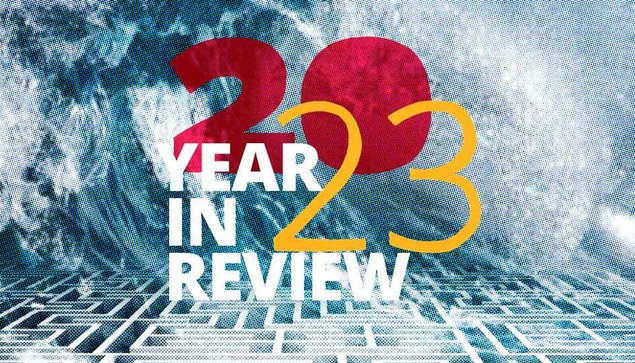
2023 Year in Review Highlights Impact of SEI Research and Development
April 15, 2024 • Article
Significant projects in 2023 included work on generative AI, vulnerability management, zero trust, large language models for intelligence, and more.
Read More
International Conference on Conceptual Modeling ER 2024 Opens Call for Papers
March 25, 2024 • Article
The long-running event is accepting submissions on how artificial intelligence and machine learning are revolutionizing conceptual modeling.
Read More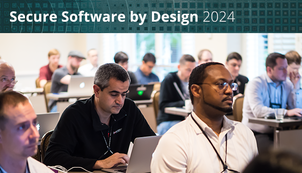
SEI Event to Collaborate on Approaches to Improve Software Security
March 13, 2024 • Press Release
The CERT Division of the Carnegie Mellon University Software Engineering Institute (SEI) today announced registration and a call for presentations for Secure Software by Design, a two-day, in-person event on August 6 and 7 at the SEI’s Arlington, Va., location.
Read More
SEI and OpenAI Recommend Ways to Evaluate Large Language Models for Cybersecurity Applications
February 21, 2024 • Article
A new white paper says evaluation of LLM capability and risk should include real-world cyber scenarios, not just factual knowledge tests.
Read More
Acquisition Security Framework for Managing Engineering and Supply Chain Cyber Risk Released
February 15, 2024 • Article
The latest version of the framework completes the set of practices for acquiring and operating secure and resilient systems across the systems lifecycle.
Read More
SEI Director and CEO Paul Nielsen Receives AIAA Award
February 12, 2024 • Article
The award honors Nielsen’s decades of “outstanding and distinguished leadership and service.”
Read More
The Top 10 Skills CISOs Need in 2024
January 24, 2024 • Press Release
“Think Beyond Enterprise IT” Advises First U.S. Federal Government CISO
Read More