
The DoW’s Electromagnetic Spectrum Superiority Strategy demands the integration of spectrum operations into mission planning, real-time situation awareness, and dominance in a contested spectrum environment [DoD 2020]. Fast radiofrequency modeling and simulation (RF mod-sim) is required to make this vision a reality.
We started our research by asking three questions:
- Can we speed up existing RF simulators?
- Can we allocate mod-sim compute more efficiently?
- Can machine learning accurately mimic RF simulators while executing much faster?
The answers to all three questions is “yes!”
First, we proved that modern convex hull algorithms can be used to identify knife edges, which are terrain features that induce diffraction, without imparting any new uncertainty into current RF simulators. We demonstrated across a large set of terrains a 50 times speed-up (see Figure 1) in knife edge identifications over an algorithm used in current RF simulators. We also observed that the integration of the convex hull into current RF simulators can be a simple one-for-one replacement of a code module.
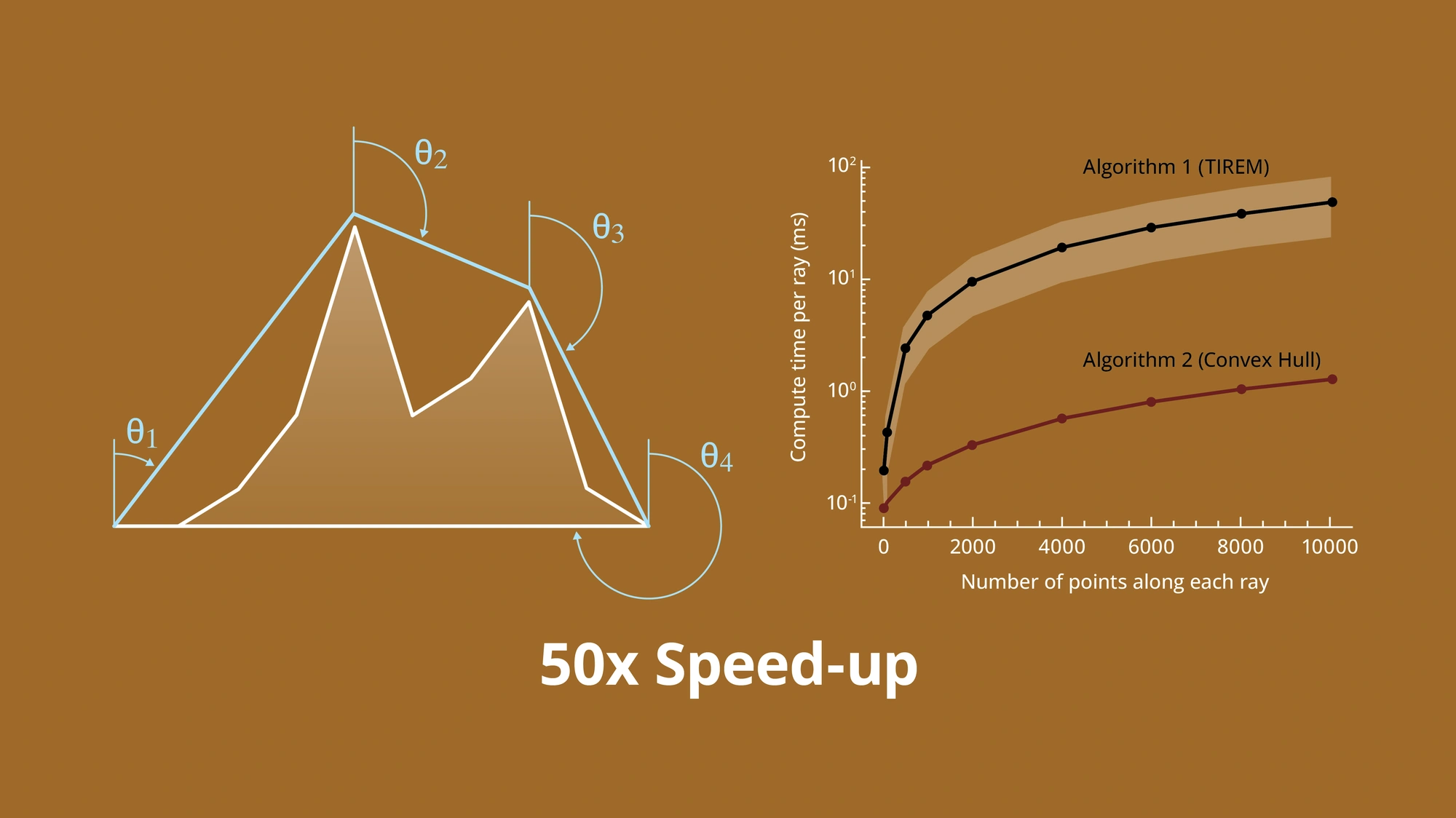
Figure 1: Simulation Bottleneck Improvement When Using the Convex Hull to Identify Knife Edges
Second, we developed a terrain sampling procedure that partitions a circular RF coverage area into clusters by terrain similarity using a mixed integer linear programming formulation of the k-center problem. We then demonstrated through experiments that our method covers highly variable terrain with increased ray density and simpler terrain with lower ray density (see Figure 2). Our procedure provides a mechanism to either increase accuracy while maintaining speed or to maintain accuracy while increasing speed.
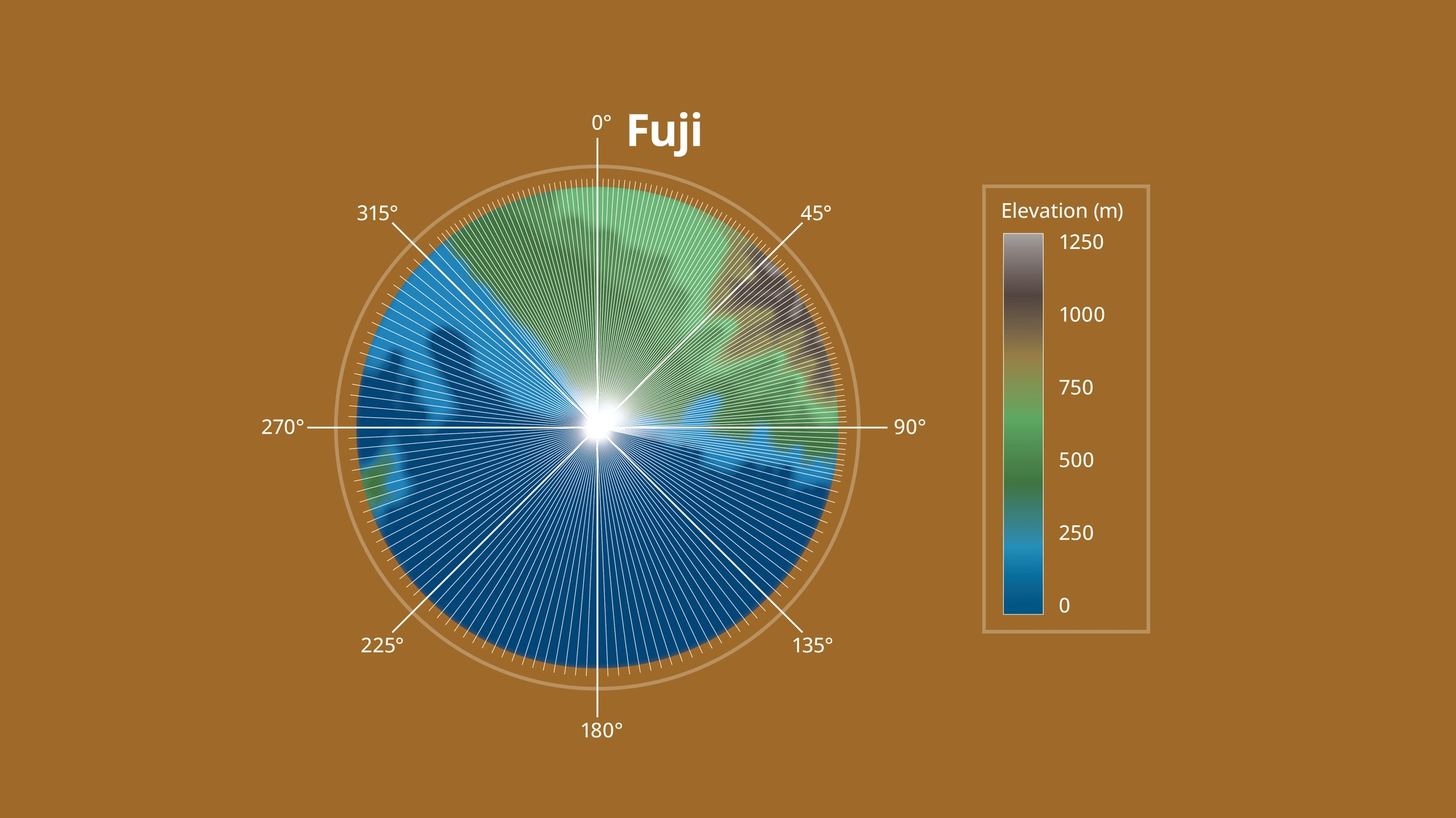
Figure 2: Allocating more Compute (Ray Density) to Higher Terrain Complexity (e.g., Mountains) and Less Compute to Lower Terrain Complexity (e.g., the Ocean)
Finally, we demonstrated that machine learning can accurately mimic physics-based RF simulators, enabling the spectrum environment to be evaluated 10-100x faster. The left and center panels of Figure 3 illustrate the similarity between propagation loss across an example terrain, as estimated by a neural network and a physics-based model, respectively. The right panel of Figure 3 illustrates the 10-100x speedup observed in our experiments.
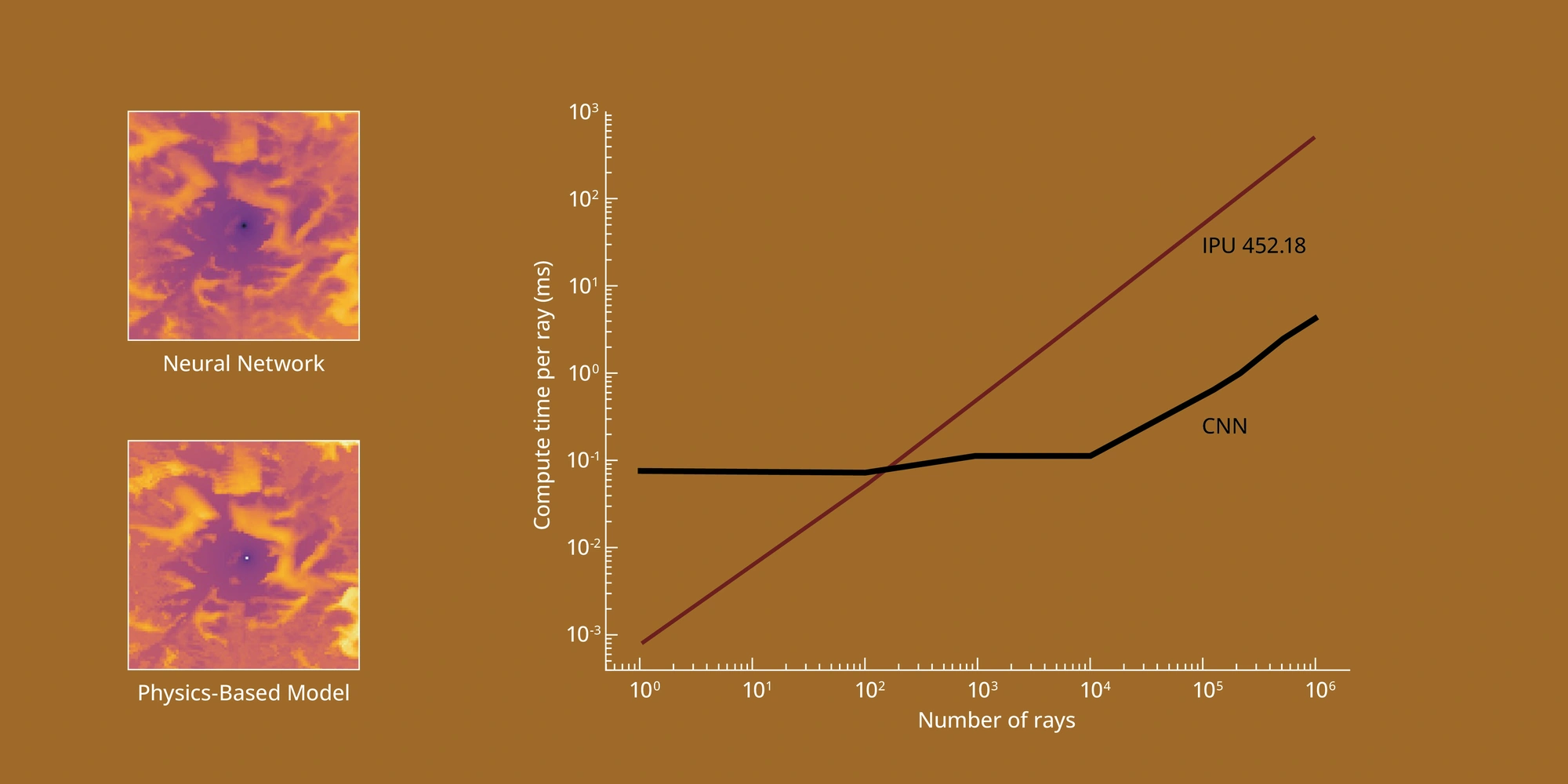
Figure 3: Machine learning Can Accurately Mimic a Physics-Based RM Simulators While Executing 10-100x Faster
Our convex hull contribution “moved the needle,” and it can be easily integrated into existing RF simulators. In fact, the International Telecommunications Union is formally reviewing it for inclusion in their standard ITU-R P.526, Propagation by Diffraction [ITU 2019].
Our convex hull contribution “moved the needle,” and it can be easily integrated into existing RF simulators.
Senior Data Scientist

In Context
This FY2026 project
- is a collaborative effort utilizing researchers from across the SEI building on previous knowledge from SEI projects related to RF mod-sim and spectrum engineering
- leverages the SEI’s expertise and experience in algorithms, artificial intelligence, and software engineering
- aligns with the SEI’s technical objective to bring capabilities that make new missions possible or improve the likelihood of success of existing ones
- aligns with the SEI’s primary enduring goal of realizing computational and algorithmic advantage
- aligns with the OUSD(R&E) critical technology priorities of leveraging advanced computing and software, building trusted AI and autonomy, developing integrated sensing and cyber technology to counter advanced threats, and creating defense microelectronic solutions
Principal Investigator
Dr. Clarence Worrell
Senior Data Scientist
SEI COLLABORATORS
Emil Mathew
Machine Learning Engineer
Joseph McIlvenny
SEI Alum
Alfred Schenker
Senior Member of the Technical Staff
Georgia Stricklen
Associate Research Scientist
HAVE A QUESTION?
Reach out to us at info@sei.cmu.edu
MENTIONED IN THIS ARTICLE
[DoD 2020]
Department of Defense (DoD). Department of Defense Electromagnetic Spectrum Superiority Strategy. DoD. October 2020. https://media.defense.gov/2020/Oct/29/2002525927/-1/-1/0/ELECTROMAGNETIC_SPECTRUM_SUPERIORITY_STRATEGY.PDF
[ITU 2019]
International Telecommunication Union (ITU). Propagation by Diffraction. ITU-R P.526. ITU. November 2025. https://www.itu.int/rec/R-REC-P.526